Your personal story is deeply intertwined with the founding of UWC Changshu China. What inspired you to bring UWC to China, and what personal experiences most influenced that decision?
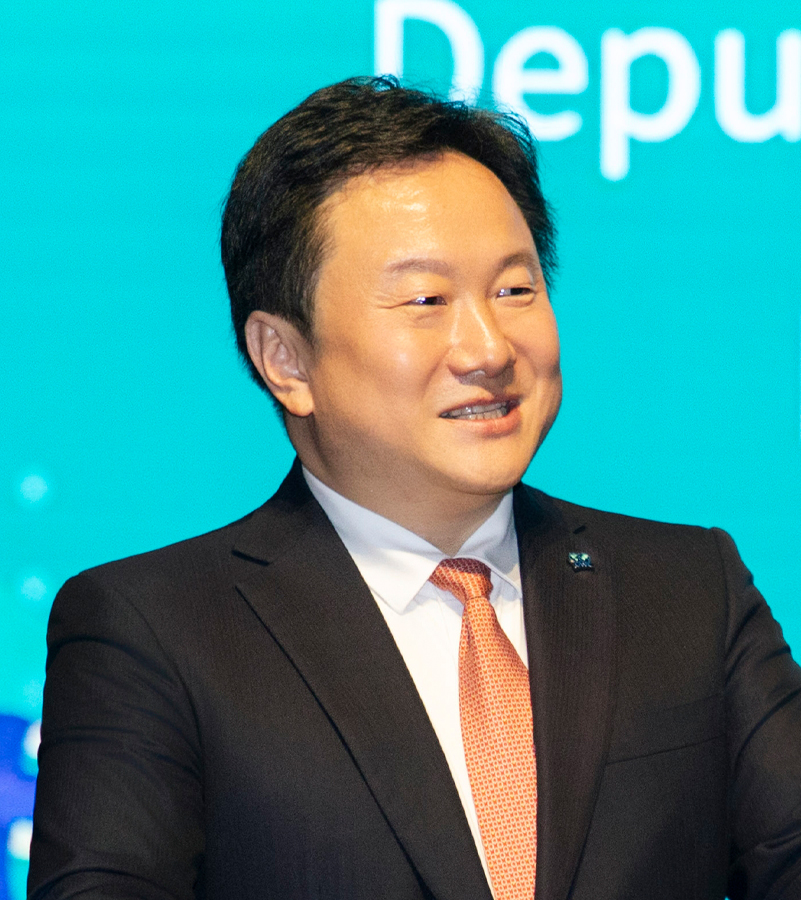
My own path to UWC began from an unexpected direction. At the age of 12, a plane accident left me permanently disabled. The experience forced an early confrontation with vulnerability. Through a scholarship from Her Majesty Queen Sonja of Norway, I entered UWC Red Cross Nordic, where I discovered an education built on trust, service, and shared purpose. UWC changed the course of my life. I arrived as a student still recovering from an air crash; I left with the confidence to stand in the world. Living and learning with classmates from more than 80 countries opened my eyes to the richness of difference. In that “miniature United Nations,” I experienced what dialogue across cultures truly means, and came to see pluralism and inclusivity as values to live by. During those years, I also introduced my peers to Chinese art and traditions, discovering in this exchange a renewed sense of identity. I also challenged myself. I took up skiing and won two gold medals at the World Disabled Ski Championships.
I returned to China with a conviction: education is a bridge that joins hearts in building a more peaceful and sustainable world. This became the heart of UWC Changshu China.
How has your understanding of the role of education evolved over the years, and what core values guide your work today?
Over time, I have come to see education less as transmission and more as translation: the continual act of turning experience into understanding, and understanding into responsibility. In today’s world, we need judgment without arrogance and conviction without blindness.
The values that sustain me are empathy, integrity, and responsibility. They sound simple, but they demand effort. Empathy keeps communities open; integrity guards against cynicism; responsibility turns awareness into action. Education shaped by these values does not promise certainty. It cultivates discernment. That, to me, is the most durable form of wisdom. At UWC, through rigorous academic inquiry and hands-on Zhi Xing projects, students learn to understand perspectives different from their own, make principled choices even under pressure, and take responsibility for the impact of their actions on others and on their communities.
What do you see as your proudest achievement so far, both personally and in your role as the founder of UWC Changshu China?
The most meaningful achievement is witnessing the UWC mission take root in China and grow through the hands of others. UWC Changshu China has built a community that lives by the ideals of peace, sustainability, and shared humanity. The school brings together young people from more than a hundred countries and regions who learn to cooperate across differences, use their influence responsibly, and put their values into the public good.
Many of our students study here on scholarships, reflecting a core UWC principle that access should never depend on privilege. When these students step into the world thinking independently, acting ethically, and serving purposes larger than themselves, I see proof that education’s most enduring impact lives not in institutions, but in the conscience it leaves behind.
As someone working at the intersection of global education and cultural diplomacy, how do you define your mission today?
Diplomacy begins not with negotiation but with listening. Education can achieve what politics often cannot: it builds habits of understanding.
China’s story, like every nation’s, is bound to the world’s. Through UWC Changshu China, I hope to build a place where people meet across differences with confidence in who they are and respect for what others bring. The school stands as a bridge where meaningful dialogue happens every day: in classrooms, projects, and the shared work of building peace.
Looking ahead, what are your aspirations — either for yourself or for the broader impact of UWC in China and globally?
The next decade will see technology, especially artificial intelligence, transform how we learn and relate to one another. The essence of education, however, remains human. I hope that UWC Changshu China can remain a place where technology serves curiosity rather than replaces it; where students learn to use new tools with discernment, imagination, and moral clarity.
Across the wider UWC movement, I hope we keep showing that progress and principle can move forward together. If young people learn to apply what they know responsibly and for the common good, technology will deepen rather than diminish what makes us human. That is the next frontier of peace and sustainability, a future defined not by what machines can do, but by what humans choose to do wisely.