AI & TECHNOLOGY CONSULTING
"AI, blockchain, and cybersecurity are poised to radically transform the enterprise landscape of every single industry."
19 February 2026





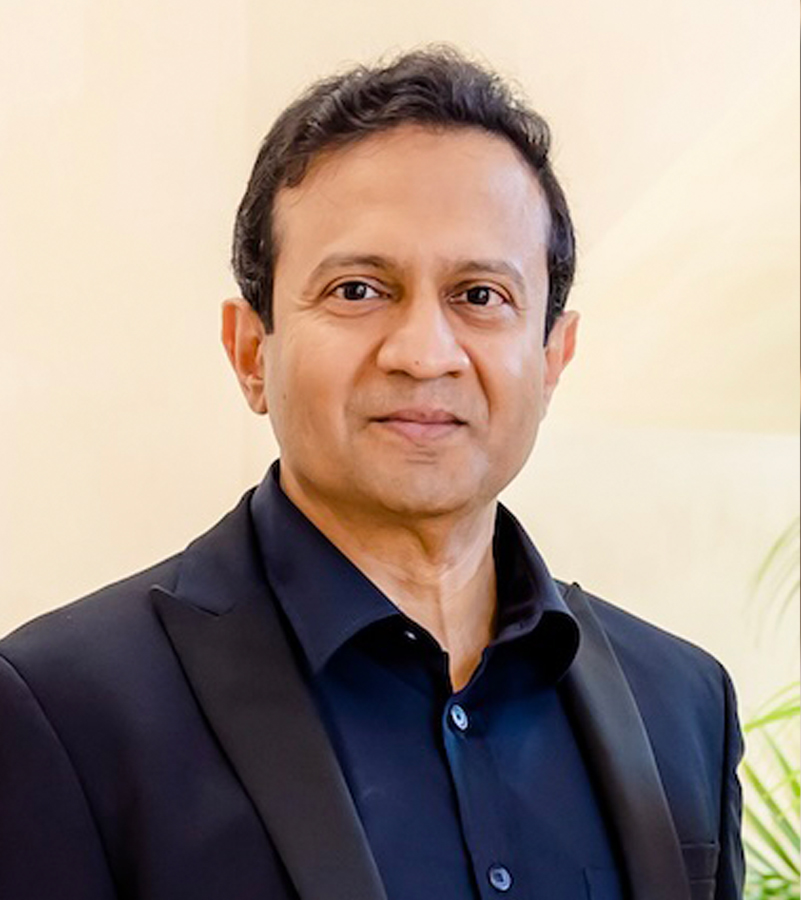
"AI-GCCs are now essential for businesses of any size as enterprises work to quickly adapt in the rapidly evolving age of AI."
Global Capability Centers (GCCs) — sometimes called captives, global in-house centers, shared service or tech hubs, or Centers of Excellence — are fully owned parts of a company that focus on high-value work like engineering, data and AI, design, finance, risk, and customer experience. They are set up in locations with strong talent pools and lower costs. Unlike outsourcing, a GCC is run by the company itself, preserving its own culture, intellectual property (IP), strategic plans, and security.
AI-GCCs are now essential for businesses of any size — whether they have a few hundred or thousands of employees — as enterprises work to quickly adapt in the rapidly evolving age of AI. An AI-GCC functions as an “AI-powered solutions factory” that can substantially scale enterprise capability.
An AI-GCC should ship concrete outcomes — such as product features, models, analytics, know-your-customer (KYC) decisions, and anti-money laundering (AML) decisions — rather than simply delivering cost savings. It can service the entire spectrum of enterprise needs at an accelerated speed to market, including procurement, finance and accounting, human resources, information technology, and sales and marketing operations, all while achieving significant cost optimization.
There are four key components: (1) Scope — focusing on optimizing software engineering, AI, machine learning (ML), and cybersecurity operations, among others; (2) Operating Model — a product-centric technology and operations model run by agentic workforce squads mapped to business outcomes with shared enablement; (3) Footprint — flagship hubs in regions like India, plus satellite hubs to ensure business continuity; and (4) Governance — where on-shore business owns the “what” and “why,” AI-GCC leadership owns the “how” and “who,” and centralized guardrails cover risk, architecture, and financial metrics including return on investment.
There are six core value drivers: (1) Speed and Focus — integrated cross-functional teams work directly on business goals and quantifiable outcomes, reducing handoffs and shortening project cycles; (2) Structural Cost Advantage — organizations can achieve reductions in total cost of ownership (TCO) between 45% and 65%, with GCCs operational within 4–6 months using our proprietary model; (3) Talent Access at Scale — tapping into deep talent pools for AI, cybersecurity, and digital infrastructure, sometimes at higher quality for niche skills than what could be found locally for the same cost; (4) IP and Security Control — data remains within company boundaries, minimizing third-party risk; (5) Resilience — multiple hubs allow for continuous global operations and diversify against geopolitical risks; and (6) AI at Scale — AI-GCCs are ideal for managing AI platforms, data governance, and model development.
AI-GCCs deliver maximum value across five domains: (1) Digital and Engineering — including product squads, cloud migrations, Platform/Site Reliability Engineering (SRE), Developer Experience (DevEx), and test automation; (2) Data and AI — such as Lakehouse, Master Data Management (MDM), ML engineering, decisioning (pricing, fraud, churn), and knowledge assistants; (3) Risk and Cybersecurity — including threat intelligence, KYC analytics, and Identity and Access Management (IAM) engineering; (4) Middle and Back Office — agentic operations for finance and accounting, procurement, HR, legal, and supply chain; and (5) Customer and Growth Ops — agentic operations for sales and marketing, CRM, Revenue Growth Management (RGM), and Revenue Cycle Management (RCM).
AI-GCCs reduce reliance on third-party vendors for AI development, thereby mitigating IP and security risks. With global regulations tightening, keeping data processing and AI development within a captive GCC environment ensures better compliance than outsourcing to third-party service providers. Because all operations remain within the company’s own structure, sensitive data and intellectual property never leave company boundaries.
In an increasingly volatile market environment, enterprises face mounting pressure to innovate faster while controlling costs. An AI-GCC is a strategic asset that delivers competitive advantage and operational resilience, while mitigating execution risk — ultimately resulting in substantive shareholder value creation. It is no longer just a cost-saving mechanism, but a core driver of enterprise capability and long-term business value.
Over the past decade, People360 has helped successfully operationalize over 40 GCCs, using an industrialized operating blueprint to help enterprises expediently establish and cost-effectively operate these centers. We are one of a select group of specialist firms that can help enterprises build and operate AI-GCCs in today’s increasingly volatile market environment.
Share this:


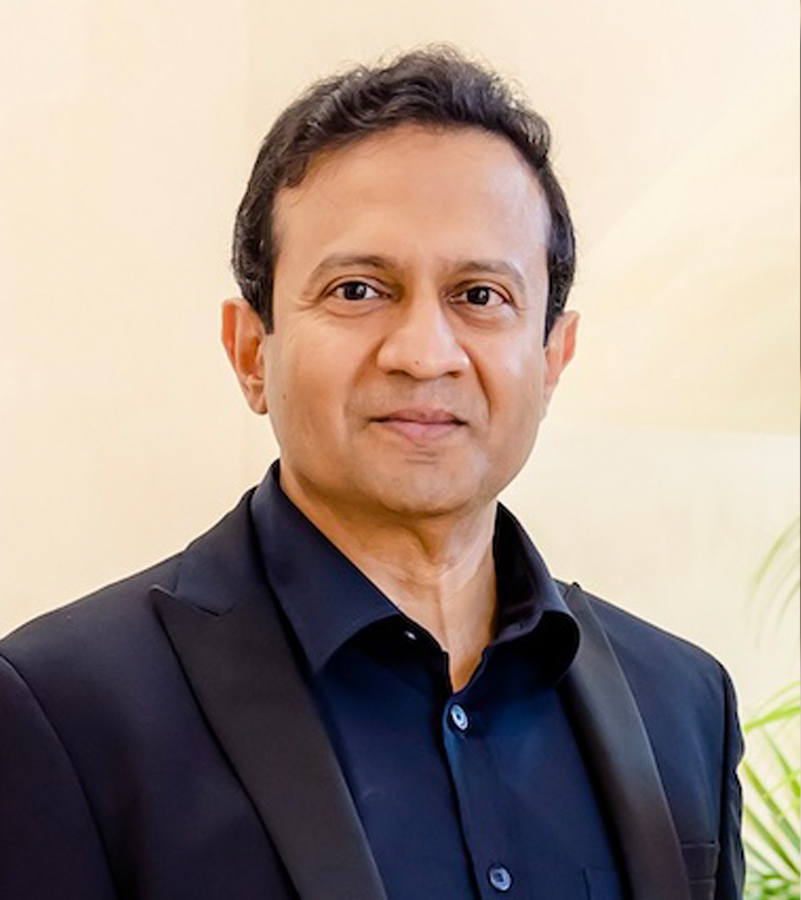
"AI, blockchain, and cybersecurity are poised to radically transform the enterprise landscape of every single industry."

"Our work is to help businesses unlock the full potential of their data and accelerate their cloud adoption."

"There are no boundaries for research. If we want to push the frontiers of knowledge and develop truly impactful solutions, we must collaborate across nations, disciplines, and cultures."

Your request has been successfully submitted. Please wait for a reply from our manager, he will contact you as soon as possible.