EDUCATION
"Our central focus is student success—from access and equity to completion, transfer, and workforce readiness."
11 March 2026





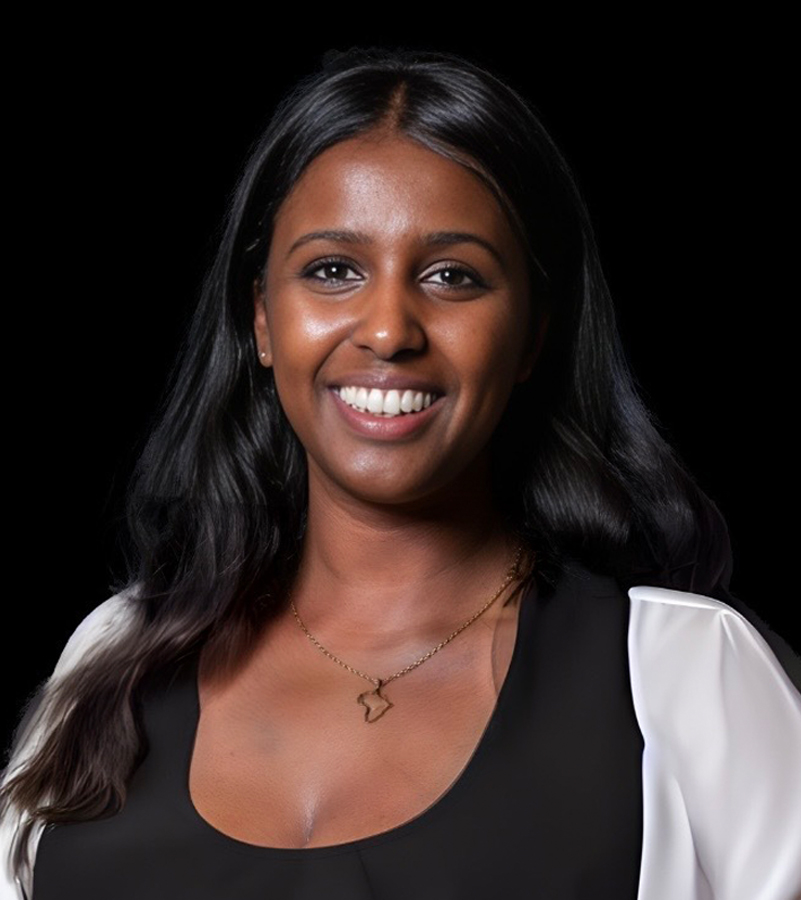
"We try to meet our students where they're at, making the program fun and engaging."
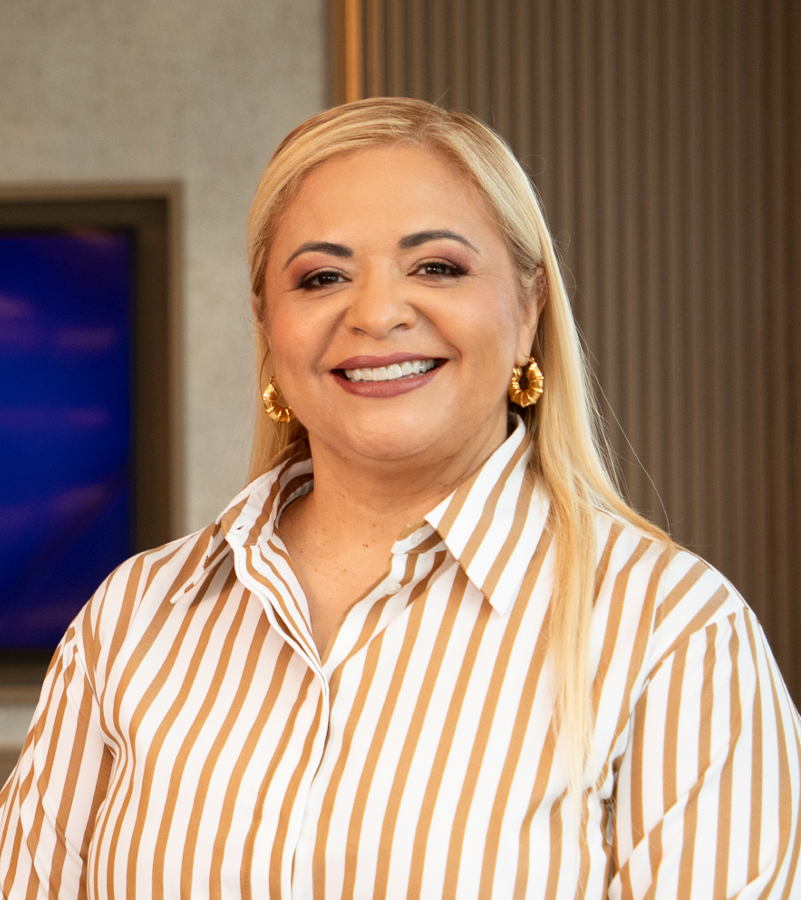
My name is Samia Zuber. I’m the Executive Director at Hack the Hood.
It’s definitely not one thing. It’s a multi-pronged solution to a pretty big problem.
I would say community support, so strong relationships with our local school district and educational institutions. For example, we work very closely with the Oakland Unified School District to recruit and support their students.
We also received a pretty large gift from Mackenzie Scott of $2 million in 2024. From a fundraising perspective, and just like a sustainability perspective, that has been a huge factor in us having the foundation and support to continue delivering our work.
I would also say that our program model and structure are pretty fluid and flexible. We try to meet our students where they’re at, making the program fun and engaging. It’s more of a hybrid model, so students don’t have to be in person all the time. So, the flexibility is supportive.
And then we also offer wraparound support. They’re getting a stipend and a device for being in our programs. We do career exploration and durable skill building with them, and we’ll take them on field trips to see different tech companies.
We try to keep it fun. We also strive to build relationships with students and have students build relationships with like-minded individuals. I think all of these components have supported expanding access to tech education.
Our core programs are Hustle, Build, and Hustle 2.0. We’re also launching a fourth program, Build.ai, this summer. All four of those programs follow our 12-week model, offering socio-technical instruction. It’s a curriculum that specifically addresses the intersection of racial equity, social justice, and technology. For example, we’ll talk about concepts like facial recognition and how that technology has been disproportionately impacting Black and brown communities in different ways. We also discuss the importance of knowing and understanding how to use technology as a lever for positive change in our communities, and just how valuable it is for the population we serve to have the technical skills to create solutions to the community problems they see.
We do career exploration and durable skills. We also do identity development workshops, supporting students in better understanding themselves and their relationships with their communities.
I would say those four programs all fall under our core 12-week training program model. Students have walked away from these programs and have shared with us that it’s been really supportive across our three key performance indicators. We generally have 90%+ learner satisfaction, and that’s largely due to seeing an increase in their technical skills. It’s about seeing an improvement in their confidence and sense of belonging, and an increase in their appetite to continue pursuing education and careers in STEM.
We have one other program that’s completely different. That’s in partnership with our local community college, and it’s 12 months long. But our core programs are really the 12-week model.
I have two parts to that question. Historically, we’ve always said that what makes us unique is that our curriculum is developed, created, and delivered by folks who reflect the population that we serve. So, we serve Black, Latinx, Indigenous, Asian, and Pacific Islander students in particular, and we’re able to bring that unique socio-technical curriculum and the supportive, inclusive learning environment we’re looking to create.
But I think what my answer would be now, as technology is changing so quickly, is that we’re well-positioned to be able to pick up all the work that we do now, which is really focused on tech foundations, data analytics, data visualization, and web development, and be able to build a really thoughtful curriculum around AI. What we’ve been able to do is develop a 12-week model that’s proven. We’re developing a new AI program that will focus not just on learning AI, but also on the socio-technical components, thinking about the impacts of AI on our climate, on the job market, and on people. So, not just teaching them the skills to use AI, but also the ethics and responsibility behind it. But when it comes to teaching AI, we’ve also learned that students are most competitive and successful when they know how to use these tools and coexist with AI.
I feel like we’re on the forefront of integrating a lot of this stuff into our existing programs, which we’ve already done. We’ll be hosting different upskilling workshops for our alumni in the spring, and then we’ll launch our new AI-centered program this summer. It feels really important because we’re in the Bay Area, and this is where the heart of the tech boom always has been.
And with AI picking up the way that it is, this is really a second tech boom that’s happening here. Historically, the population we serve has really been left out of many of these changes in the workforce and in tech. So for us, we’re already working with this particular population. It’s an opportunity to make sure they’re not left behind again and that they can learn some of these skills early on.
And it’s not just tech. That’s something we talk to our students about, too, because at this point we’re not just preparing students for careers in tech. Tech is everywhere. It’s across all industries at this point. So it’s really about understanding and utilizing these technical skills, regardless of what their future role is. You could be a sociologist and go through some of our programs, because they’ll support your research by helping you understand how to clean and manipulate data.
We’ve been talking to students about what it looks like to be at the intersection of health and tech. We hosted a workshop a couple of months ago in partnership with another Bay Area bioinformatics organization. Thinking about how the life sciences intersect with technology. So just being able to expose and expand the minds of our young folks, too, because there’s more to technology than just being a software developer.
We have been leaning into working with our local school district. So, working closer with the Oakland Unified School District (OUSD).
This past summer, we actually had a three-way partnership between Hack the Hood, OUSD, and Laney Community College, part of the Peralta system. We had our Hustle program as a dual enrollment opportunity for students. Essentially, students were able to take our 12-week Hustle program and complete about 6 hours of on-site, hands-on work at the community college for about 6 weeks concurrently with our program. By the time they were done with our program, they were eligible for 5 units of transferable UC/CSU college credit that would give them an intro to programming on their college transcripts. So that was something that we’re really excited about, and a very concrete way that we’re deepening our relationships with OUSD and with Laney Community College.
Outside of that, we collaborate with various nonprofit organizations to bring in skill sets that might not be our specialty. For example, we had a nonprofit we were working with this summer join one of our programs to deliver entrepreneurship curriculum in tandem with our work.
We also launched a new strategic plan at the top of this year that really outlines the direction of our program. So, being able to enhance our technical training, develop more partnerships to create pathways and opportunities for our students post-Hack the Hood programs, and really build and strengthen our alumni base.
We’ve been leaning more into workforce development. We’re partnering with a registered apprenticeship program to make our BUILD program a pre-apprenticeship program, which we’re really excited about. We’re really just building out what happens next for our alumni after they get through our programs.
And then we also partner with different community-based organizations for recruitment. We’re working with different groups that support populations similar to ours, who might do things differently than we do, to develop a pipeline and pathway into our programs as well.
I think what’s really helpful are engagement opportunities. One thing we do with our partners, such as employer collaborators, is have them come in to talk about who they are and what they do. They’ll sit on career exposure panels, just kind of breaking down what their role is, how they got there.
I think that’s a very mutually beneficial environment because the students can see folks. Most of the time, we try to include people who reflect the population we serve on the panel. So students can see themselves in the people who are coming into the space and talking about what they do.
But it’s also a really good opportunity for the employer partners to get some face time with our students and programs. So it’s no longer just theoretical. They’re actually in it, get to experience it, and build relationships with students that way, too.
Students get to build their networks. Our employer partners get to see the programs in real life, experience the students, and see the impact they have. So I think that has been one of the best ways to actually build stronger relationships, engage our employer partners, and engage our students. It’s just really supportive in building out our alumni community.
That’s a really great question. You know, we’re in the midst of our end-of-year giving campaign right now, and the theme that we’ve chosen is opportunity isn’t everywhere, but talent is. So just because the population that we work with has historically been excluded doesn’t mean that the talent doesn’t exist.
Our work is about ensuring they have access to the tools they need to really level the playing field and give them opportunities. Right now, we’re seeing workforce and technology change in the midst of this new AI boom and revolution. So it becomes that much more important for us to make sure that our learners are equipped to participate and that AI is inclusive and representative of everyone, not just the few who are in those spaces as creators today.
I don’t think you can go anywhere or talk to anyone right now without AI coming up in some way. It’s a double-edged sword. I think AI is incredible and can be a big equalizer, giving people access to information, skills, and resources they might not have had.
But then, how do we make sure people know that’s a possibility, and how do we train people up on this? And how do we also address some of the public’s fears and insecurities about AI and technology, our learners in particular?
We’re seeing all of the data and the reports of early-career software developer roles disappearing. It’s difficult to be a young person right now, go through college, choose a major, and then think, will this job be available? Is AI going to replace me? What’s the most AI-proof job I can get? We try to stress to our learners that it’s really about continuing to learn all the time, being a lifelong learner, especially in the tech sector, because things are always changing. How do we really support students in becoming problem solvers, critical thinkers, computational thinkers?
Because as AI continues to grow, it’s really going to be about how folks are even challenging or questioning what comes out of AI. That’s what we’re thinking about.
I think the one thing that comes up for me is it’s really interesting times right now politically, with the changes in technology, lots of moving pieces, and things changing very rapidly. And as we see changes at the federal level, especially around areas where basic needs need to be funded, I think what stands out to me is that tech education really needs to be seen as something fundamental.
I think it’s something that needs to be seen as foundational, even though it sometimes seems secondary. It’s really difficult when people are thinking about basic needs like food, healthcare and shelter. But when we think about education, it is right there with those basic needs, in my opinion.
And tech education in particular in this workforce and changing environment is that much more important. So I would just add that piece to stress the importance of ensuring that, in this changing global environment, our students are equipped with these technical skills to be competitive.
Share this:


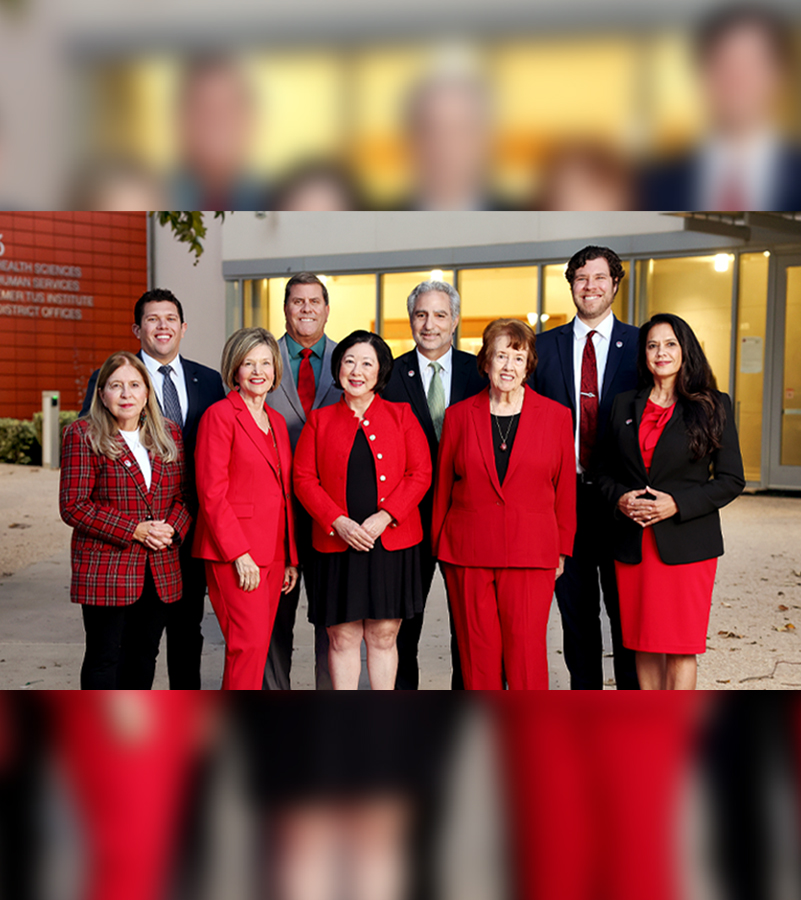
"Our central focus is student success—from access and equity to completion, transfer, and workforce readiness."
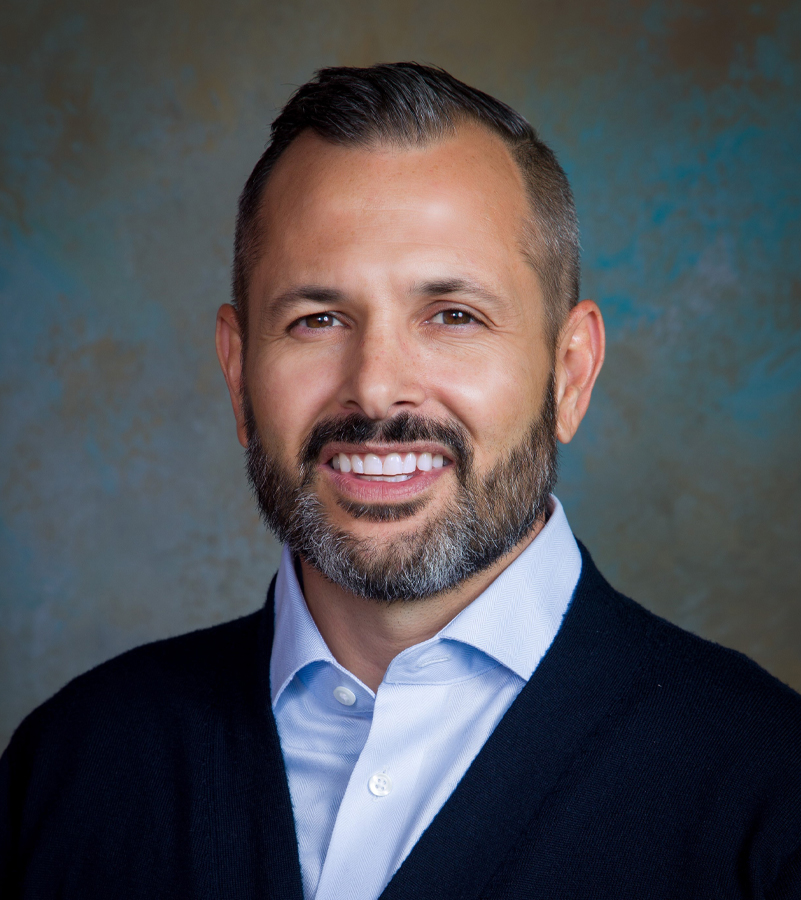
"Our mission is really predicated on employability, to deliver the training and skills necessary for students to earn wages and careers that they want to be and are connected with."
"UTEG educates citizens who lead with values and transform with knowledge."

Your request has been successfully submitted. Please wait for a reply from our manager, he will contact you as soon as possible.