EDUCATION
"The key difference here is that Kettering’s model isn’t just about learning something in theory; it’s about mastering it through practice."
10 March 2026





"Our whole mission is to impact students' lives and make a huge difference. A lot of times, we're literally saving their lives."
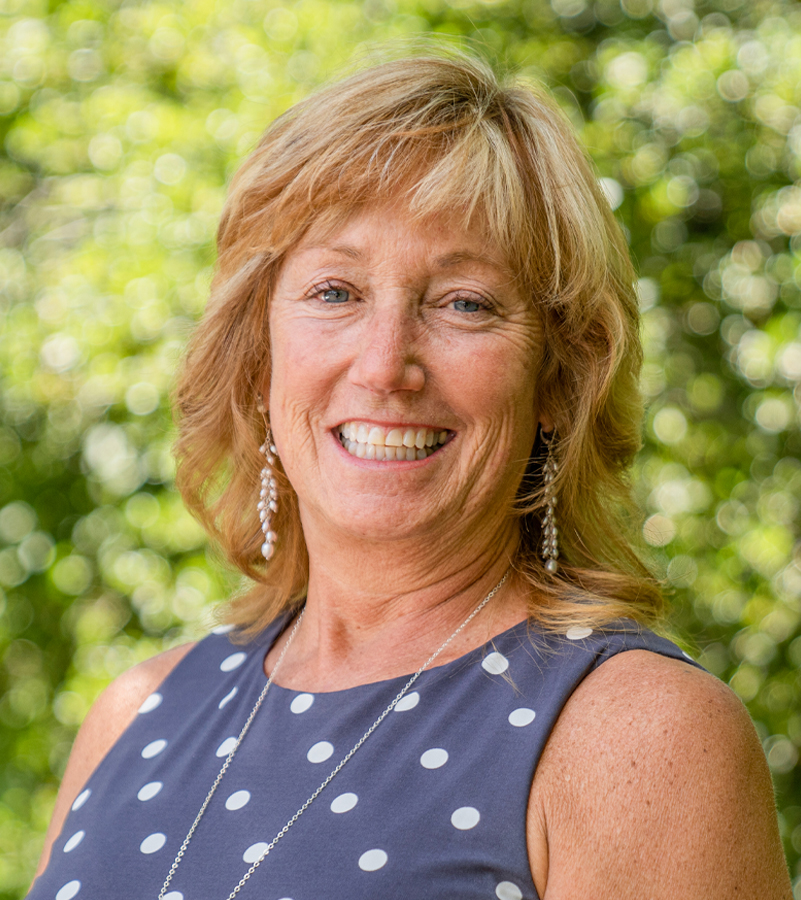
I am Jayna Gaskell, executive director and superintendent of the four Pivot Charter Schools.
I’ll address that in reverse. I’ve been doing this for 39 years, and we have amazing educators in this country — public educators — and it’s not for lack of trying, but what I’ve seen over the years is that one system can’t meet all the needs of all the kids. It’s just inevitable that there will be times when kids slip through the cracks, so we were trying to focus on students who are struggling in the traditional system and see if a slightly different approach, a slightly different way of instructing students, would help them.
We really focused on students who are probably what I would call a little bit disenfranchised with their education — maybe with adults and educators in general, maybe they just struggled forever. Sometimes it’s their own doing, to be honest, and they know it and admit it to us. Other times, it’s because of trauma in their lives and circumstances. So we wanted to create four small schools that created an environment where every student felt welcomed.
A lot of the reasons kids come to us are because they were being bullied in the traditional system — these are large schools in most of our traditional public systems. They weren’t comfortable going, and they were struggling. It’s very, very hard with 30 or 35 kids in a high school class, for example, to individualize everything for students. Those were our reasons for thinking, okay, we’re going to try this. We’re going to try to find a way to do this.
We started off using an online curriculum — not because we wanted to be a big virtual school, but because we learned very quickly, before online learning became widespread during COVID, that we could truly individualize everything for the kid. I can see what a student did 35 seconds ago, and our credentialed teachers only have 30 students to watch and track. They can literally see where a student is getting stuck, and if the student doesn’t reach out to them, they can provide guidance, support, direct instruction, tutoring, workshops — everything we offer to support their needs — and they get on it right away.
Not only can we alter assignments for a student who needs to learn differently, as long as they’re meeting the standards, but we can also see what they’re doing and hold them accountable minute to minute, rather than chapter by chapter or class by class. These kids need that, and they want that.
We also serve a great niche for kids who work and need a different schedule. The online curriculum works for that — they can work when it is appropriate for them. We have students with children, and it works for them as well. For our middle schoolers, most middle school age students are squirmy; they need to move, they need to do things. They love being on the computer, and that’s what engages them because it’s there — they can do it on their phone. Just get it done.
We created the school site so students could participate in field trips and on-site classes, where they could socialize, engage in hands-on activities, and hear from guest speakers. We have breakfasts and barbecues, and the number of field trips that each one of our sites does is pretty amazing.
We’re a hybrid, basically. But the main focus was using the online curriculum to be able to individualize things — so the kids who were bored waiting for the rest of the kids in their class to learn something can accelerate, and we can do what we need to do with the curriculum to catch kids up who were behind as well.
I think it’s the teachers’ ability and the time that they have to interact with every single one of their students. We have purposely given them freedom and flexibility. Every teacher teaches an online workshop to help kids in their online classes, and they also teach on-site classes. But they have the time in their schedules to literally reach out to every single one of their students every couple of days, to watch what they’re doing every single day, and to meet with the kids and motivate them.
I think that’s the key factor — building that relationship with these students, truly showing them and giving them the confidence that they can do it, and proving to them that there are adults and educators who know they can do it and are willing to bend over backwards to help them be successful.
I’d love to say it’s because we have some incredible curriculum. There are great curricula out there, but curriculum is curriculum. Algebra is algebra. Economics is economics. Math 7A is Math 7A. It’s what we do with that curriculum that I think really distinguishes us from other types of schools — how we can take it and truly make it work for every single individual student because the teachers have the time to do that.
Teachers even have every other day to work from home if they are on top of all their work, which gives them even more time. We really kind of throw a — we call it a pivot — we throw a grenade into systems to blow things up. Let’s stop doing things the same old way. Let’s see what the teachers want and what they can do with that time. That’s how we developed our work-from-home model while still giving teachers the time they need to truly meet every need of every student.
The baseline is direct instruction. Instead of the teacher standing in front of a class, it’s delivered through the online curriculum, and depending on the grade level, some of it is more interactive, video-based, and gamified than others. Kids respond to that, but again, algebra is algebra. So students are getting their initial direct instruction from the online curriculum.
For our younger students — our elementary students — parents have to serve as learning coaches. They need to be sitting with them at home because the kids aren’t on site every single school day for every single hour of the day. As they get older, we’re teaching them independence and how to function with the online curriculum. But that’s hard sometimes — it would have been hard for me without a teacher in front of a classroom.
The next layer is tracking. We have endless data. We can see what a student has done seconds ago, so we know what support they need. We offer online classes that support students in every course they can take in their online curriculum. A teacher is in a Google Meet and meets with every student taking algebra, for example, picking out the more difficult concepts and providing direct instruction — not covering the entire class period, but enough to help students through the difficult materials in the curriculum. Then we have an additional set of credentialed teachers who tutor students. Students can sign up for tutoring sessions if they’re still stuck.
We also have times when students can come to the school sites for three hours a day, and there is a full complement of credentialed teachers there to help them as well, pulling them into small groups if they’re struggling, or working one-on-one while students work through the curriculum at the school site.
We’re trying to give them a variety of ways to get help. They don’t always take us up on it — they’re still teenagers, still young kids. But every student has a primary teacher, their educational coordinator, who has those 30 kids. It’s that coordinator’s job to push students to get the support they need and to pull in the other teachers to give the kids the help they need.
That’s just the general education program. We also have special education for all students who qualify for an individualized education plan, and that’s a whole other set of teachers who guide, support, and motivate. At our schools, these teams work very, very closely together. We really do wraparound service — a circle of people in each student’s life to show them they have a team behind them. Here’s this person’s role, and here’s this person’s role, and we’re going to make sure that you’re successful.
Yes, absolutely. In California — and I’ve worked in several other states on charter schools over the years — there are many what we call independent study programs. That’s what this is called in the state of California. I’ve seen similar models in other states as well. That’s the beauty of any alternative education, whether it’s charter schools or the many wonderful districts that run their own alternative educational programs. The beauty of doing something alternative is that you get to do what you want. One school is doing this, another is doing that, and lo and behold, we have tons of options for kids. That’s my dream.
I even said one day, when I used to work closely with a legislator on charter school issues, one of them asked me what charter schools could do that traditional public schools couldn’t. I said, in the state of California, with all of the legislation and all of the education code that we are now tied to as charter schools, there’s nothing legally that we can do that they can’t. It’s just the way the systems are set up. He then asked what my goal for charter schools in the country was — this was back when they were first starting and somewhat controversial. I said my goal for charter schools is that, someday, we won’t need them. They kind of looked at me and said, well, you’re a charter school woman. And I said, yes, we do need them now.
The public school system we have in this country was, for the most part, created during the Industrial Revolution to mass educate people. There have been improvements and tweaks over the years, with different states trying different things, but the baseline system was built for a different era. That’s why all kinds of alternatives have popped up across the country — because that system is just not where we are as a society anymore. That’s what led to all of these alternatives. I wish we didn’t need them; I wish there was a way to have one system that served everyone. But there isn’t, so we move on, and we do things differently.
Every year, we look at what our gaps are — what could we do better? We’re 16 years old now, and I’ve been there since the beginning. We’re finally at the point where we are refining rather than totally overhauling what we’re doing.
Over the last two years, we’ve been really focused on building more partnerships in the communities. We’ve done a great job with the partnerships we have, but more importantly, we’ve focused on student outcomes. We have a small group of kids who go on to a four-year college right away — the kind who would have done it without us. Then we have another group of kids we spend a lot of time on, making sure they know they can access college. We give them all of that support and get them into concurrent enrollment in community college classes while they’re still in high school, so they’re earning double credits and getting a college education for free. We’re really focusing on showing those kids that they can do it, and for a lot of these students, they’re first-generation college students — nobody in their family had ever gone on to college, and they’re already doing it in high school.
We’ve developed those programs and are helping students see that they can go on to four-year universities, including assistance with filling out all the forms and applications. Our next initiative, though, is to go back to something more foundational. Some districts have kept these kinds of programs, including one or two of our authorizers, with a real focus on career. I don’t just mean career technical education — CTE is a great thing, and it hit traditional public school systems about 25 years ago with a lot of energy and pathways. We do have CTE pathways, and our community colleges offer them to students. But I mean something even more fundamental: just showing students what they can become in the world, getting mentors in, getting them into internships, having them do interest surveys in middle school, getting them out there learning about the new careers and jobs.
The world is changing rapidly when it comes to technology, and there are so many options for them — they just have no idea. Career coordinators and people who focus solely on that are disappearing from many programs, and we want to really boost that. We’re currently calling it “Beyond the Diploma” — our newest initiative to roll out something significant so that every student, starting around fourth grade, has a plan for what they might want to be, and we’ll amp that up every year.
We also started this year what we call a Grad Track program. Students who come to Pivot are often credit-deficient and may have a chip on their shoulder about school—something we actively work to turn around. Not all of them, but there are a lot. They finally wake up in junior year and realize they might not graduate. So we’re really focusing on how best to support them in earning their diploma in the most accountable way, but in a way that truly fits their lives, because some of them are 18 or 19 years old. The Grad Track program is really starting to take off — just focusing on the diploma, asking why it’s important, showing them what they can do with it, and then tying that back into helping them actually earn it. We piloted that at Pivot North Bay, our Santa Rosa campus, this year, and we’re going to roll out what we learn from it to the other sites as well.
Every year, I tear up when I think about students who maybe got pulled into negative situations, or who were on their way to a UC school but got so frustrated in traditional school that they just said, “Forget it, I’m not going to graduate.” We turn them around, and we change their lives. They realize it, and they thank us.
Our whole mission is to impact students’ lives and make a huge difference. A lot of times, we’re literally saving their lives. It’s not always about academics — it’s about our approach, it’s about the caring, it’s about the individualizing, and about telling them, showing them, that they can succeed after, for some of them, many years of not succeeding. To get rave reviews from teenagers who had these huge chips on their shoulders when they came in — that’s my reward every day. It’s all of our teachers’ reward. It’s why they do what they do. It’s a hard job, but they will all tell you that’s why they stick with it.
Share this:


"The key difference here is that Kettering’s model isn’t just about learning something in theory; it’s about mastering it through practice."
"Our mission has always been simple: to help people change their lives through education."
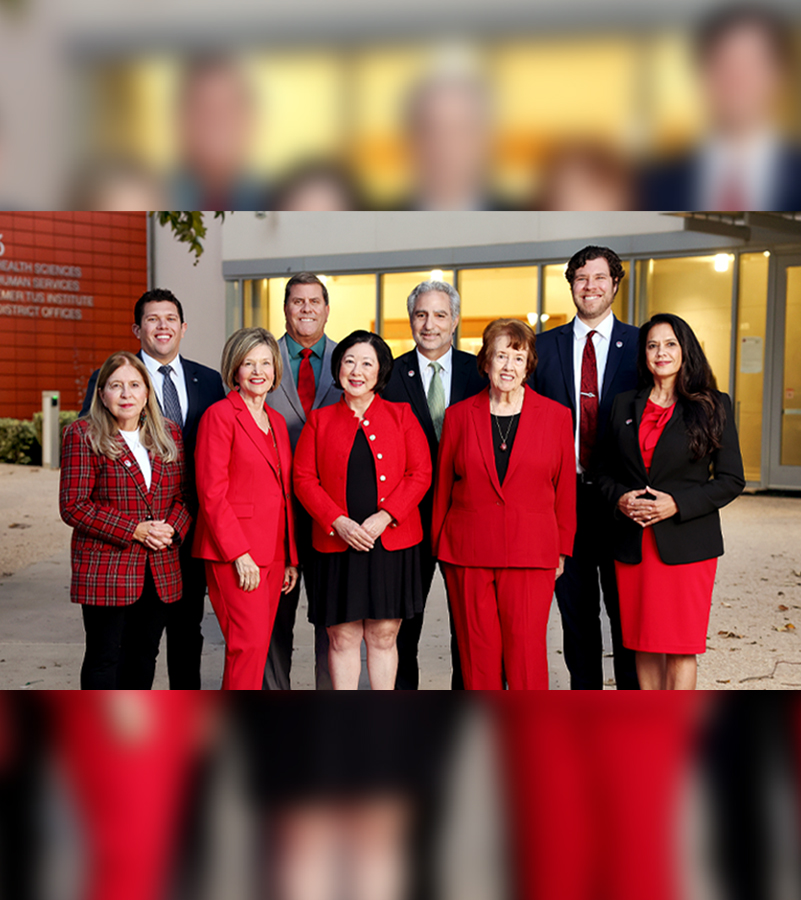
"Our central focus is student success—from access and equity to completion, transfer, and workforce readiness."

Your request has been successfully submitted. Please wait for a reply from our manager, he will contact you as soon as possible.