HEALTHCARE / SOCIAL SERVICES
"Young people are growing up in systems that are fragmenting, automating, and, in some cases, withdrawing human care."
19 March 2026





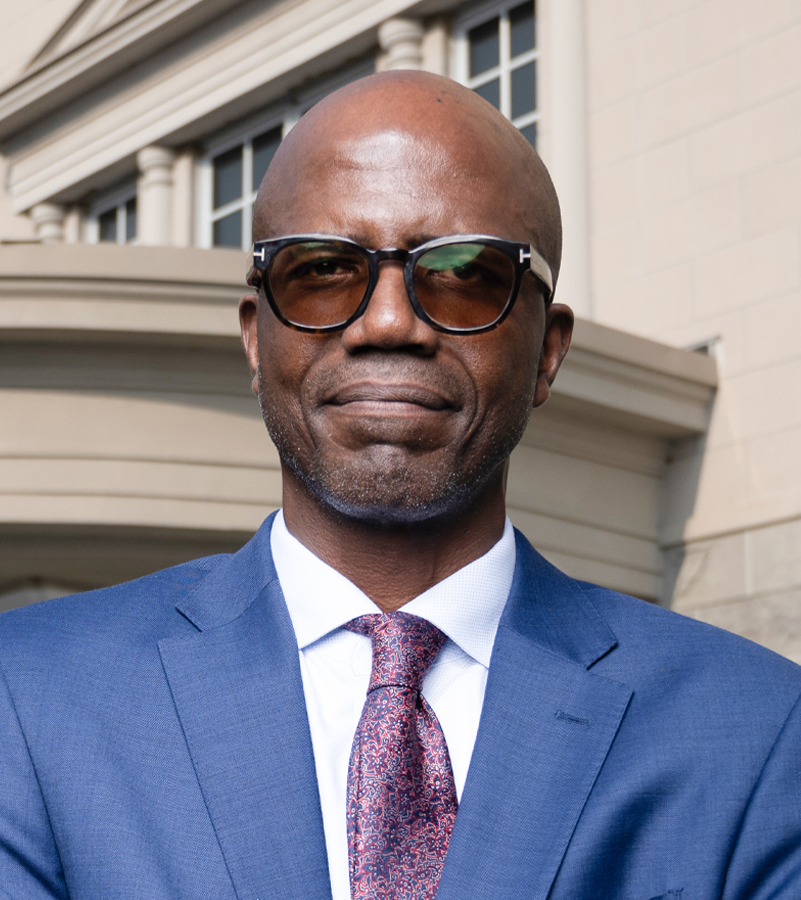
"Our approach is a better investment than incarceration and residential care."
Key to our success are the local government systems and philanthropic leaders who have partnered with us to bring our services to communities in 32 states and Washington, D.C. Central to our effectiveness are our staff, often neighborhood-based, who are committed to delivering our community-based youth and family services model with fidelity. Our work is grounded in guiding principles that include partnering with families to connect system-involved youth and others in trouble and crisis with strength-based accountability, rehabilitation, and tangible tools that empower positive change.
Backed by our local government systems partners and bolstered by donors, our work demonstrates that both in the short and long term, our approach is a better investment than incarceration and residential care. Youth incarceration and residential placements compound risks leading to homicide, suicide, school failure, poverty, unemployment, substance use, homelessness, adult incarceration, and other negative cycles that strain public resources and threaten community safety and wellbeing. Our decades of service include working with many young people who have histories of serious offenses, multiple arrests, and lengthy out-of-home placements. John Jay College of Criminal Justice research found that 86 percent of YAP’s youth justice participants remain arrest-free, and that six to 12 months after completing the program, nearly 90 percent of the youth still live in their communities, with less than 5 percent in secure placement.
Our signature programs are Youth and Family Empowerment, Bringing Systems Change, Global Capacity Building, and Investing in Economic Mobility.
Youth and Family Empowerment: At the core of our Youth and Family Empowerment program area and what drives our mission is our YAPWrap® youth and family wraparound services model. It’s an evidence-based model recognized by the National Institute of Justice and the Office of Juvenile Justice and Delinquency Prevention as a promising community-based alternative to youth incarceration. The driving principles of the YAPWrap model include teaming with our program participants and their families, with respect for their backgrounds and cultures, as we develop strength-based, individualized service plans with the expectation that youth will give back to their communities. We adhere to a no-reject, no-eject approach as we accept referrals from our youth justice, child welfare, education, mental health, developmental disabilities/autism support groups, and other partners. Those principles also define our other three program areas – Investing in Economic Mobility, Bringing Systems Change, and Global Capacity Building.
Investing in Economic Mobility: We believe economic mobility is central to lasting change. Donor support is enhancing outcomes for system-involved youth, and other young people who face complex challenges, and their parents/guardians. Through donations and partnerships, these young people and families receive support for basic needs, including food, shelter, and clothing. They’re receiving educational assistance, workforce development, and job opportunities.
For example, YAP® Supported Work and YAPWORX® help young people who face significant employment barriers earn a paycheck while gaining experience, workforce development training and guidance, social capital, and confidence. YAP program participants also benefit from our Tom Jeffers Endowment Fund Scholarship for Continuing Education. The scholarship, supported 100% by donations from employees and others, pays $1,500 toward college tuition or fees, job training, or, for some recipients, a laptop computer. Eligible current and former program participants and their parents/guardians may apply for and receive the scholarship annually.
Bringing Systems Change: We believe communities are safer when solutions are rooted in connection, not confinement. With donor support, our Bringing Systems Change initiatives are ensuring that policymakers see, hear, and understand the positive impact of keeping system-involved youth and others facing complex challenges safely at home.
In 2025, we launched YAP® Alumni Ambassadors, an effort that gives former participants a forum to share personal stories about how they benefited from your support. Our program participants and staff present to city councils, boards of commissioners, state legislators, and go to Capitol Hill to meet with Members of Congress. We’re making policymakers aware of our outcomes and strengthening existing collaborations with youth justice, child welfare, mental health, and public safety systems.
Last year, as part of our 50th Anniversary, we hosted a Making Change Happen Summit, where in collaboration with local government and philanthropic partners, researchers, and practitioners, we raised awareness of our work. Through reduced rates of violence in Baltimore, Charlotte, and other communities across the U.S., our public safety partnerships are demonstrating the power of collaboration in bringing systems change.
Global Capacity Building: We believe solutions that work should be shared across America and globally. Through partnerships, we’re bringing scalable solutions and an understanding that strengthening lives strengthens societies. With global support and partnerships, more young people in America and internationally are benefiting from the principles that guide our wraparound services model. We provide training through consultation and exchanges for leaders and practitioners in America and abroad.
In 2025, we also began to lay the foundation for the YAP® Global Leadership Institute (GLI). GLI will advance systems change and capacity-building for service delivery through ongoing coaching, consulting, and technical assistance to practitioners, program leaders, and partners. We will maintain continuous support, monitoring, and training to ensure quality and model fidelity.
Our Youth and Family Empowerment services adhere to principles of our 50-year-old YAPWrap model, which is the vision of our founder, Tom Jeffers. Adhering to a no-reject no-eject approach, we accept referrals from youth justice, child welfare, education, mental health, developmental disabilities/autism, and other systems partners. Our Advocates, mental health professionals, and other staff meet young people and families where they are, both physically and emotionally. This means spending nine or 10 hours a week with them to empower them with tools to see their strengths and connecting them with tools to nurture them. The tools can be related to economic, educational, and/or emotional support, whatever it takes to help them put their lives on a positive path and give back to their communities. This applies to young people referred to us from youth justice, education, public safety, and many other systems.
For example, through community support and partnerships with child welfare systems, families are acquiring tools that prevent residential placements and help children return safely home from facilities. Young people in foster care and those without placement are experiencing self-sufficiency and stability. Collaborating with community mental health systems, managed care, and private insurance partnerships, young people are receiving specialized services for substance use and other mental health challenges. Additionally, the needs of individuals with intellectual and developmental or autism spectrum disorders are being addressed in partnership with parents, guardians, and other loved ones.
Collaboration is key to scaling our work. We see that across the board in all four of our program areas—Youth and Family Empowerment, Bringing Systems Change, Investing in Economic Mobility, and Global Capacity Building. The impact of each of these program areas is strengthened through collaboration with government and philanthropic partners and many others. While our model is unique, we work with government, community, philanthropic, workforce development and other partners to bring our model or services informed by our evidence-based approach and the principles that guide it to ensure that more youth and families benefit from community-based services that work. Across America and globally, communities are seeking evidence-based solutions to address the challenges young people and families face.
Leaders of youth justice, child welfare, behavioral health, education, and other systems convene regularly to share best practices. Increasingly, we are presenting case studies at these events and hosting our own. Our 50th Anniversary Making Change Happen Summit gave public systems leaders a chance to meet many young people who have benefited from our model. This includes a youth named Jesse, who continues to achieve new milestones after completing a YAP after-care program after being incarcerated in a youth facility for some serious charges. We’re also reaching out to leaders to share data and to introduce them to young people who have benefited from our services.
We’re working to enhance donor funding to fuel the expansion of YAP Pursuing Excellence®, our innovative approach to improving outcomes for system-involved and other young people in trouble or at greatest risk for violence engagement. This intervention combines our 50-year-old individual and family wraparound services, the YAPWrap® model, with cognitive behavioral therapy.
Additionally, we will be rolling out details of the YAP® GLI in the coming months. This effort will provide in-person and virtual leadership training and service-delivery capacity-building, with ongoing coaching, consulting, and technical assistance to practitioners, program leaders, and partners.
Strategically, we are aligning all our functions with an eye on ensuring that, through new and expanded government, philanthropic, corporate/workforce development, community, and other partnerships, more young people and families will benefit from our services. These alliances, bolstered by sustainable donor support, will also sharpen the tools available to our staff, ensuring that our model continues to yield strong outcomes that bring positive change to individuals, families, and neighborhoods in American and global communities.
We are always looking to expand our reach, and anyone can be a part of our work in empowering young people, families, and neighborhoods facing society’s most difficult challenges. This is with the help of tools to make positive change and give back to their communities. Individuals can donate or, as part of our workforce development programs, volunteer to talk to program participants about their careers. Corporations can support our programs financially and become workforce development partners. Philanthropic organizations can support us with unrestricted and other gifts. Learn more about YAP at www.YAPInc.org.
Share this:


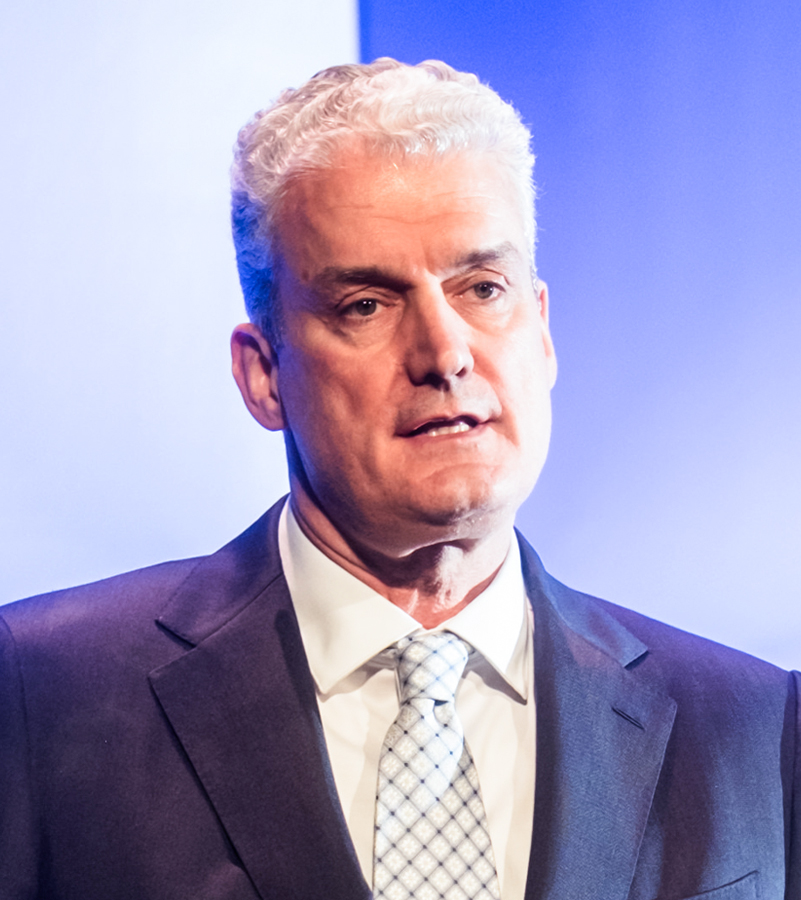
"Young people are growing up in systems that are fragmenting, automating, and, in some cases, withdrawing human care."
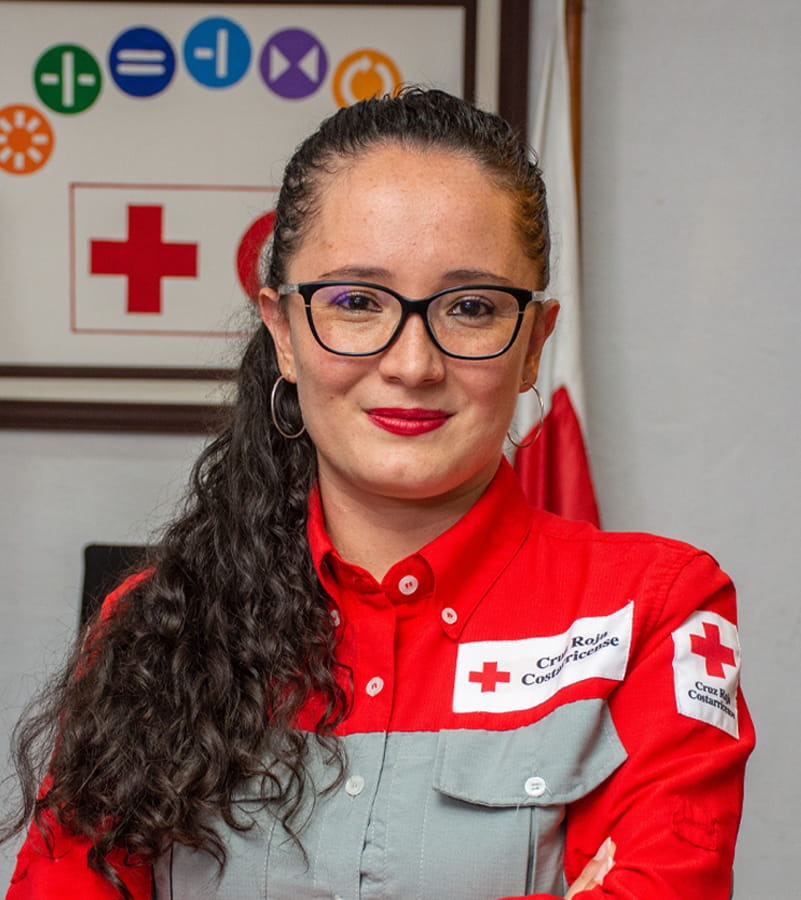
"The Costa Rican Red Cross has more than 140 years of experience providing humanitarian services throughout Costa Rica."
"We try to meet our students where they're at, making the program fun and engaging."

Your request has been successfully submitted. Please wait for a reply from our manager, he will contact you as soon as possible.