





Founder and Chairman Mark Jiapeng Wang reflects on how a personal turning point evolved into a global learning community shaping China’s next generation.
At 12 years old, Mark Jiapeng Wang survived a plane accident that left him permanently disabled—an event that, as he recalls, forced “an early confrontation with vulnerability.” Yet it was this moment that set him on the unlikely path to UWC Red Cross Nordic, where a scholarship from Queen Sonja of Norway introduced him to an education built on trust, purpose and community. In those years, he says, he arrived “still recovering from an air crash,” but left with “the confidence to stand in the world.”
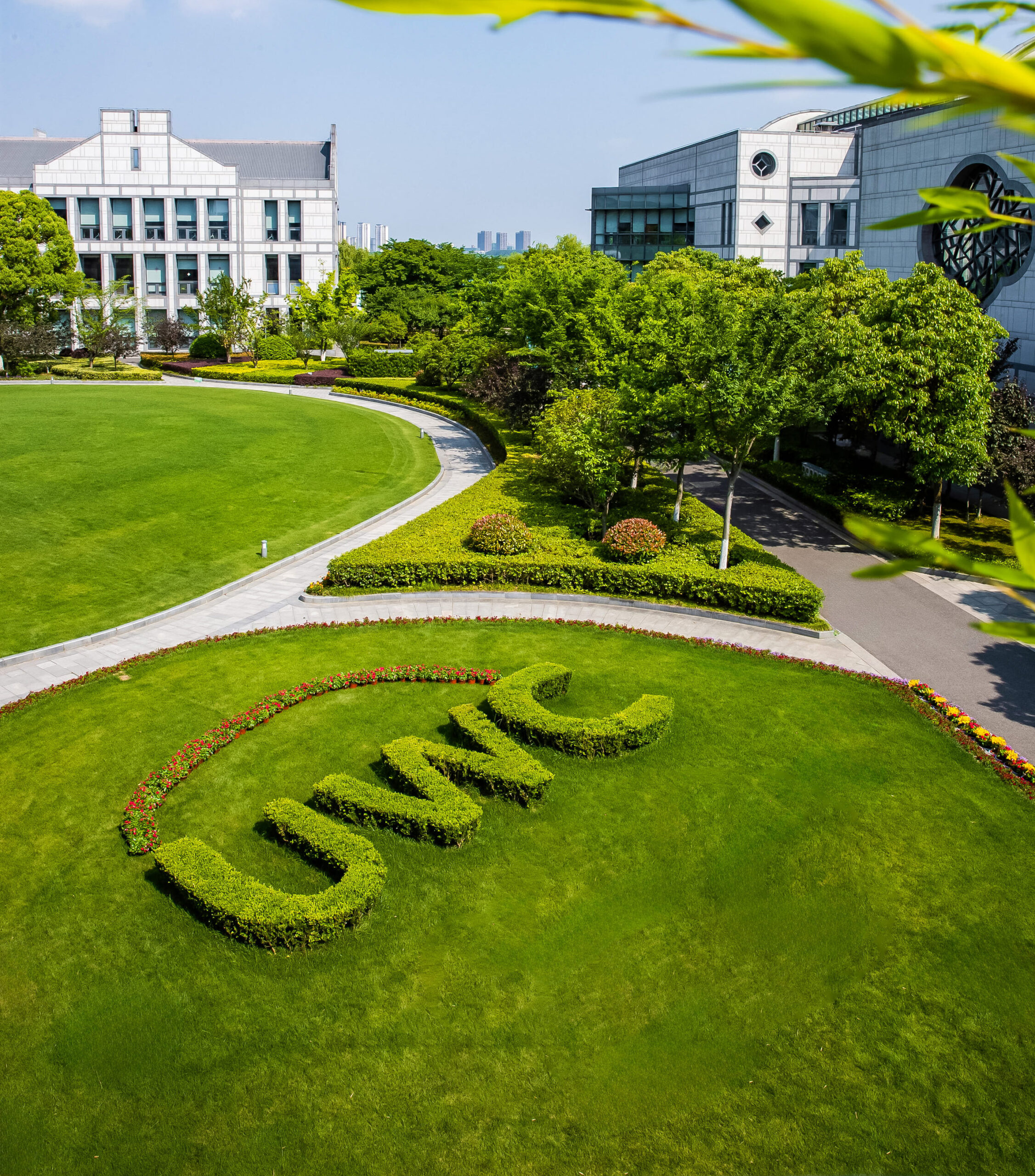
That experience formed the seed of UWC Changshu China, which marked its 10th anniversary this year. The school opened in 2015 with a simple but ambitious conviction: that education could serve as a link between cultures, communities and perspectives.
“Education is a bridge that joins hearts in building a more peaceful and sustainable world,” says Wang, founder and chairman of UWC Changshu China. That belief has defined the school’s first decade.
The institution now brings together young people from more than a hundred countries and regions, many of them on scholarships, reflecting a core UWC principle that access to education should not depend on privilege.
Wang’s Educational Vision
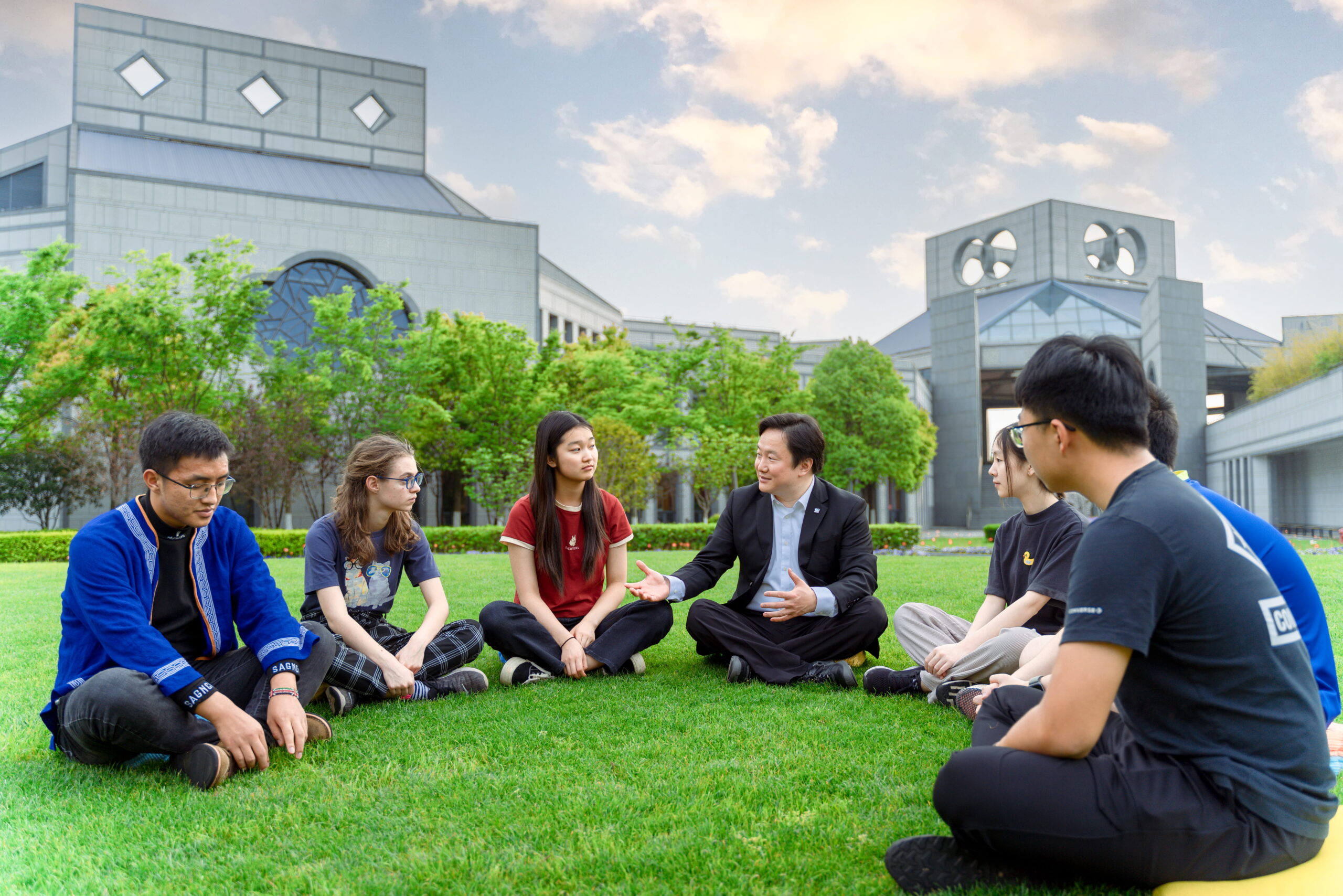
Wang’s own understanding of education has deepened over time. He describes learning not as the transmission of information but as “the continual act of turning experience into understanding, and understanding into responsibility.” In his view, the values that sustain meaningful learning—empathy, integrity, responsibility—are modest in appearance but demanding in practice. UWC Changshu China works to cultivate these qualities through rigorous academic inquiry and its signature Zhi Xing projects, where students develop judgment, courage and cross-cultural fluency by engaging directly with communities.
“The most meaningful achievement is witnessing the UWC mission take root in China and grow through the hands of others,” Wang reflects. “When students step into the world thinking independently, acting ethically and serving purposes larger than themselves, I see proof that education’s most enduring impact lives not in institutions, but in the conscience it leaves behind.”
Ten Years of Growing
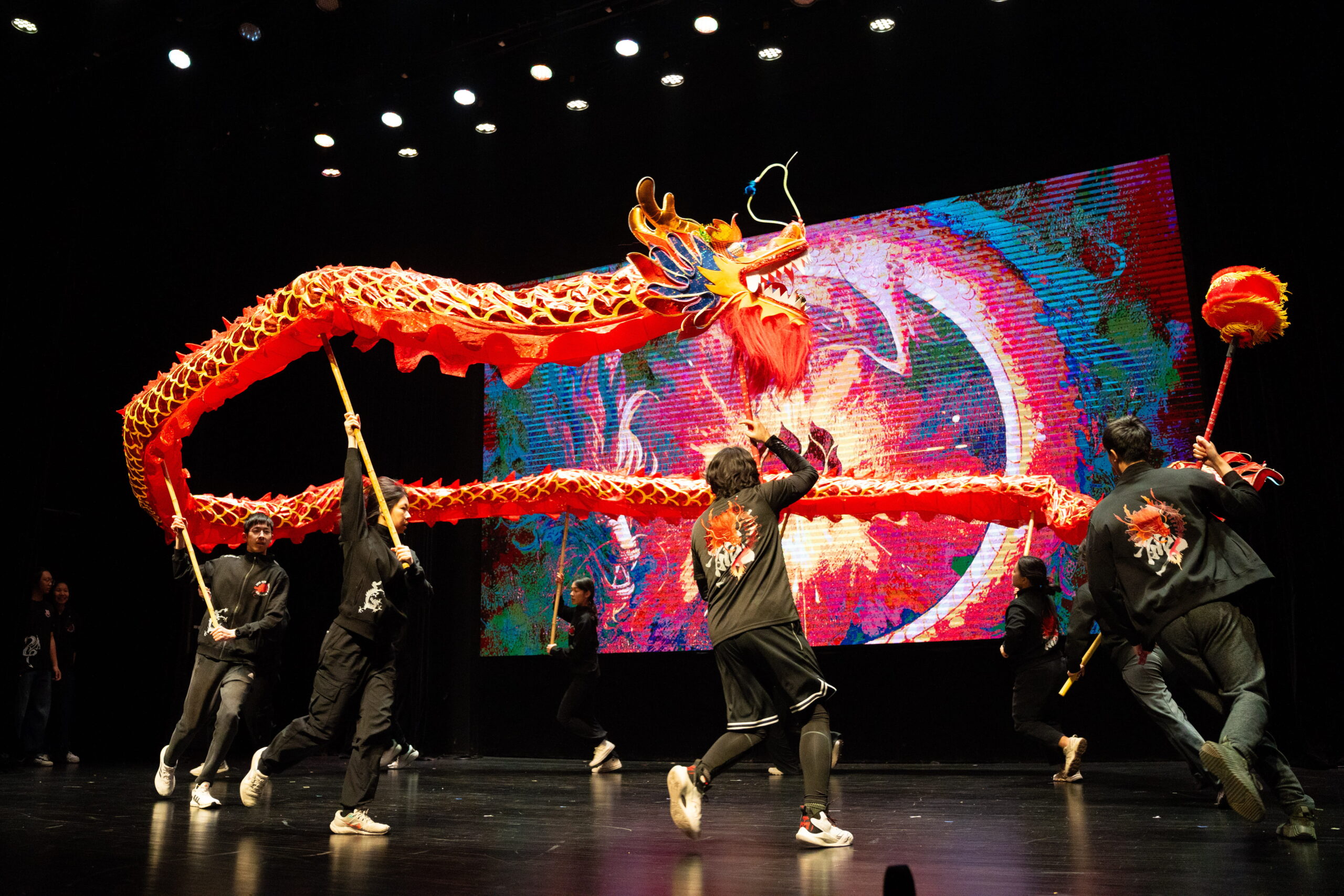
The anniversary celebrations in Changshu highlighted how a decade of steady growth has shaped a distinct educational culture, one rooted in Chinese heritage yet globally engaged. Panels and gatherings brought together educators, alumni and partners who have contributed to the school’s first 10 years. Their conversations underscored both continuity and change: the enduring power of human connection and the transformations coming from new technologies.
Preparing for Tomorrow
Looking to the next decade, Wang’s focus is clear. As artificial intelligence reshapes how people think, communicate and learn, he hopes UWC Changshu China will remain a place where technology “serves curiosity rather than replaces it,” and where students learn to use new tools with “discernment, imagination and moral clarity.” The challenge, he believes, is ensuring that progress and principle move together.
Ten years on, Wang’s mission remains grounded in the experience that first transformed his life. He continues to see UWC Changshu China as “a bridge where meaningful dialogue happens every day: in classrooms, projects and the shared work of building peace.”
Learn more about UWC Changshu China at www.uwcchina.org.