EDUCATION
"The key difference here is that Kettering’s model isn’t just about learning something in theory; it’s about mastering it through practice."
10 March 2026





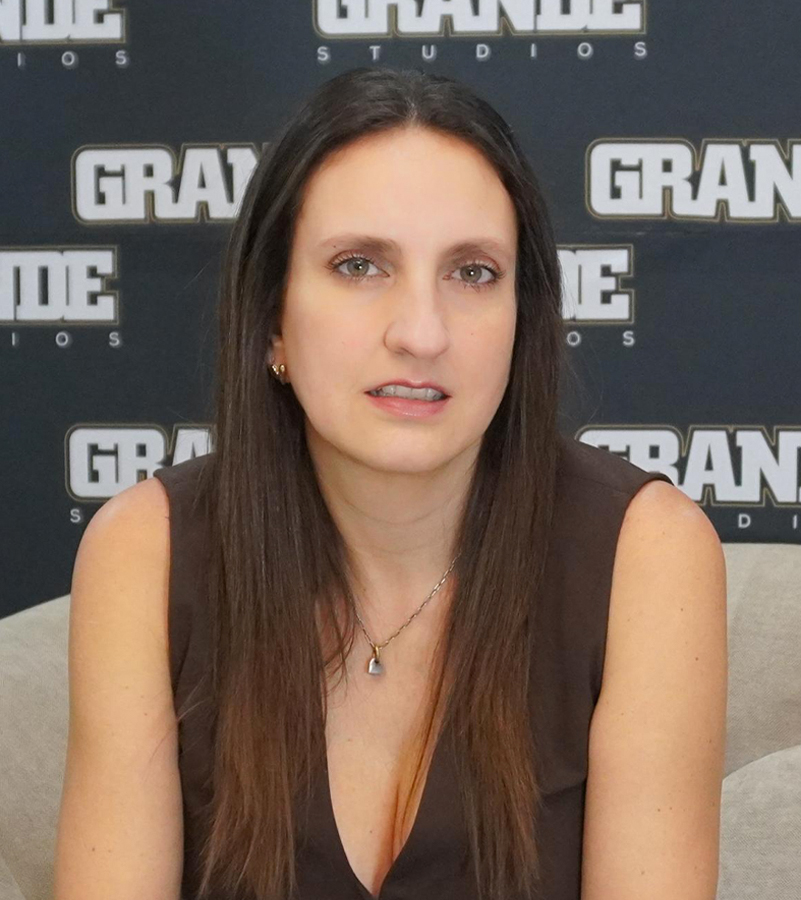
“At Grande Studios, we don’t just dub content—we shape how millions of viewers experience stories.”
That is a great question. We specialize in dubbing. What we do is take movies or series from any language—Hindi, English, Brazilian Portuguese—and adapt them into Spanish.
For many years, most content came from Hollywood, but that has changed significantly over the past decade. Our work involves creating a very precise lip-sync with what the original actors are saying. We do not translate literally—we adapt the script, because everything has to match the lip movements.
Then we proceed with casting, voice recording, and the full production process, so the final result feels as if the movie was originally made in Spanish.
Quality and security.
Security is fundamental. We handle content before it is released, so we must have strong infrastructure and strict protocols. We are TPN partners, which is essential in this industry. Every person entering the studio signs an NDA. We have secure rooms where access is restricted, and both hardware and software are tightly controlled.
To give you an idea, we receive around 200 actors per day at the studio. Managing that requires rigorous procedures.
The second aspect is quality. For me, quality is when you watch a movie and cannot tell it was originally in another language—you simply feel it was made in Spanish.
Achieving this requires perfect lip-sync, strong script adaptation, and cultural awareness. For example, we once worked on a Korean series where a character proposed by saying, “Will you have my kids?” In Korea, that is equivalent to “Will you marry me?” But in Spanish, that would not make sense in that context, so we adapted it accordingly.
Additionally, voice matching is critical. If a young character sounds much older—or vice versa—you lose credibility. Finally, mixing is essential. The voice must blend naturally into the environment so that it does not feel separate from the scene.
So, quality comes down to lip-sync, adaptation, voice matching, and mixing.
Last year, we created an internal team focused on developing AI tools to improve our workflow. These tools help us work faster and more efficiently.
For example, translation can now be automated, allowing adaptors to focus more on refining the script rather than starting from scratch. This actually improves quality because more time is spent on creative adaptation.
We also use AI for minor retakes. Instead of asking an actor to return to the studio for a single line, we can, with their permission, use their voice digitally. They still have the option to come in, and they are compensated the same way.
That said, dubbing requires acting. We have tested many AI tools, and none can replicate the emotional depth required. AI produces an average result, but great performances are not average—they come from emotion and individuality.
For certain types of content, such as documentaries or audio descriptions, AI could be useful. However, for most of our work—live-action and reality content—human performance remains essential.
We also approach AI from an ethical perspective. Actors must be informed, must agree, and must be paid. We are actively involved in discussions with industry associations and government bodies in Mexico to help shape regulations around this.
Exactly. That is what makes you cry in a movie. AI cannot replicate that level of emotional depth.
We have had actors leave the recording booth because they were so emotionally involved in a scene that they could not continue. When you see the final result, it truly moves the audience. That is something only human performance can achieve.
Yes, AI will find its place. Short-form content on platforms like TikTok or Instagram often uses synthetic voices, and audiences are becoming accustomed to that.
There is also a rise in vertical content—short episodes lasting one or two minutes—where AI is frequently used, and people are engaging with it.
However, the experience of watching a short video is very different from watching a film or a TV series. In long-form content, I do not believe audiences will easily accept synthetic voices, especially on a big screen.
The biggest challenge is finding the right voice actor. We conduct extensive casting for every project, especially for main characters.
We have worked on thousands of titles, including major productions such as Avengers: Endgame, projects from Lucasfilm, The Mandalorian, Indiana Jones, as well as films for Netflix, Warner, Universal, and others.
Each role requires a unique performance. Just like an original actor adapts their acting style depending on the role, our voice actors must do the same.
We have a highly professional team of actors and directors who ensure that each performance aligns with the original intent.
Disney was already a client when I joined, but I expanded our partnerships to include companies like Netflix, Paramount, Universal, and Warner.
During the pandemic, when studios closed, we developed remote recording solutions. I proposed sending engineers to actors’ homes and controlling their systems remotely via VPN.
It was challenging at first, but it worked. Netflix supported the idea, and we began producing more content for them.
At that time, my father also built a mobile recording studio in a van to reach actors who could not record from home. Together, these solutions allowed us to continue operating and even grow during a very difficult period.
Unfortunately, my father passed away due to COVID, and I took over the business. Since then, we have expanded significantly—from 12 studios to 39—and increased our revenue fivefold.
We launched Grande Studios Academy to train new talent, including actors, engineers, and producers.
We have partnerships with institutions such as Universidad Anáhuac, Dolby Atmos, and the Tsai Institute. We are also working toward official accreditation, which would make dubbing a formal career path in Mexico.
Additionally, we are expanding into podcast dubbing and multilingual content, including English and Brazilian Portuguese adaptations. We are also working with major digital creators to dub their content for international audiences.
Around 90% of audiences in Latin America watch content in Spanish rather than the original language. This shows how important dubbing is.
It is not just a technical process—it shapes how audiences experience content. That is why quality and ethical practices are so important.
We should embrace AI, but we must do so ethically. It should enhance human creativity, not replace it.
Actors must be protected, informed, and fairly compensated. And ultimately, human performance will always be essential for creating meaningful emotional connections with audiences
Share this:


"The key difference here is that Kettering’s model isn’t just about learning something in theory; it’s about mastering it through practice."
"AI is probably a hundred-year revolution, and we're like year three."
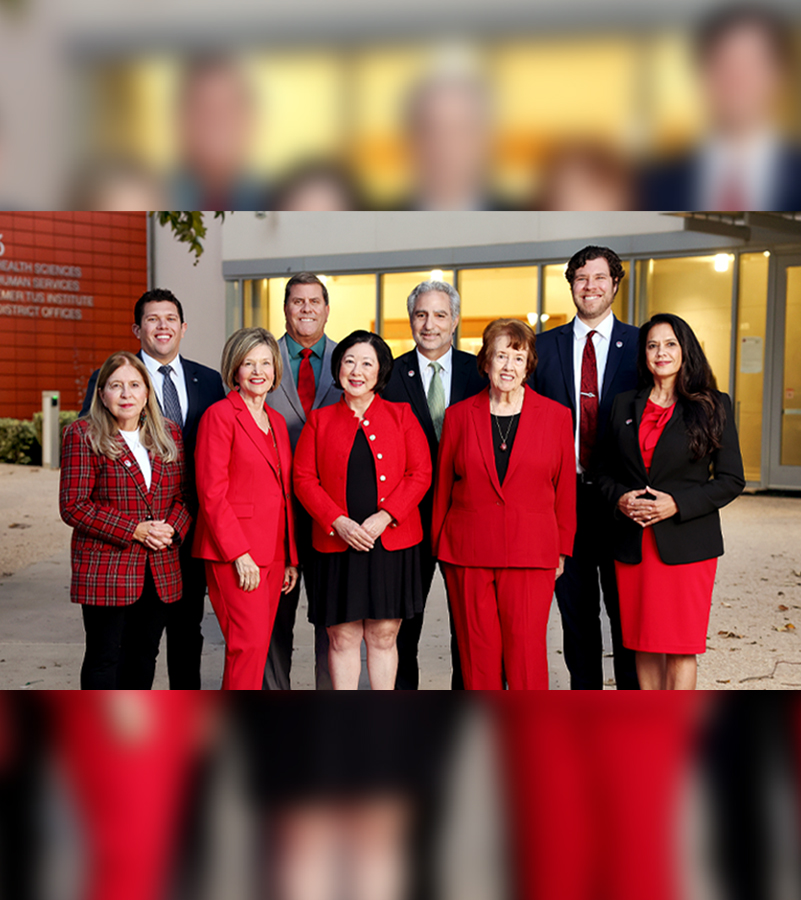
"Our central focus is student success—from access and equity to completion, transfer, and workforce readiness."

Your request has been successfully submitted. Please wait for a reply from our manager, he will contact you as soon as possible.