EDUCATION
"We try to meet our students where they're at, making the program fun and engaging."
30 March 2026






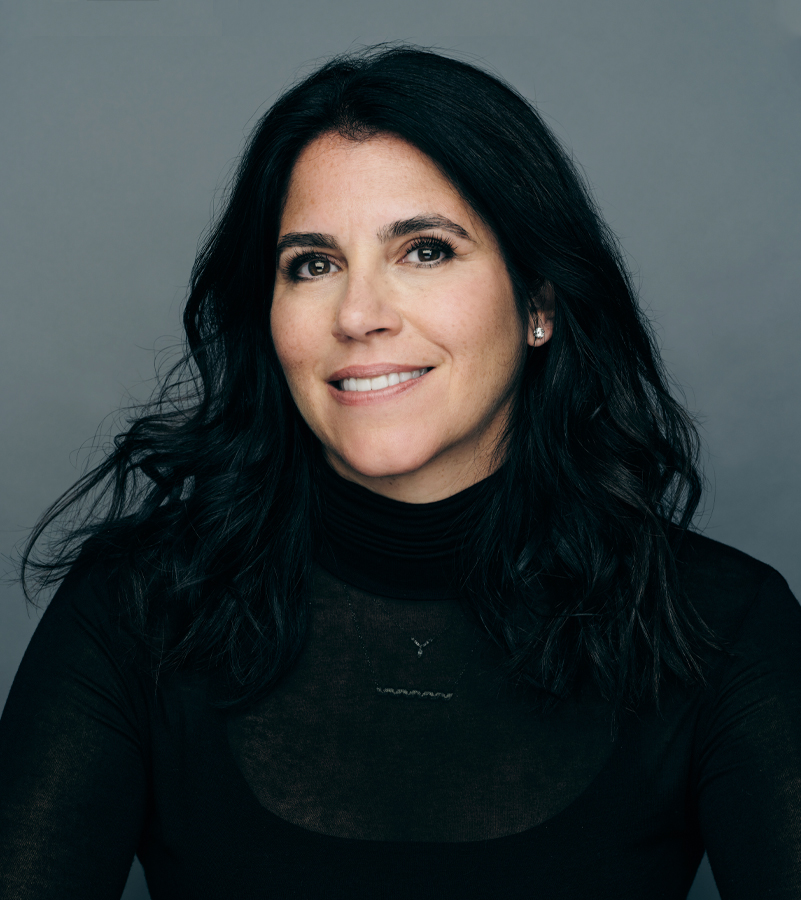
“Parents tell us their children are happier, more confident, and more connected after joining School of Rock”
School of Rock started back in 1998. Fast forward to today, and we have 432 locations open across 16 countries and over 72,000 students globally.
The magic about School of Rock is that you play instruments in bands and on stages, so you’re not learning how to play an instrument in isolation, in a silo, and on your own. You are learning to play that instrument in your part, then meeting with your band once a week to practice that song collectively and hear the whole thing come together.
School of Rock not only builds a passion for music and musicianship but also fosters community and a sense of belonging, as bandmates become friends and colleagues who work through issues together. And then after a few months, they’re actually putting on a show. They’re getting on a stage, in a real venue, in front of a real audience, and they are performing the show, and we do this with all ages.
Our students range in age from five to adulthood, but the core of School of Rock lies in our performance program, which is for 13- to 17-year-olds. It’s just amazing that when you’re learning to do this thing, you’re not sitting in a room on your own. That gets boring. You’re able to take what you’re learning and practice it in real time, with real people, in a real situation.
I think what I just said is our differentiator. We have a proprietary curriculum. We have an app and our trademarked method for how we teach. And you won’t find that approach, that curriculum, and that method anywhere else but at School of Rock.
But really, the secret thing about School of Rock is that it’s so much more than just music education. We recently conducted a social impact study with Sound Diplomacy, which helped us survey thousands of School of Rock community members. And the data we learned was what we’ve known all along. I’ve been with School of Rock for almost 11 years. We’ve always known it, but now we have statistical data showing that 80.4 percent of parents report that their child is happier since joining School of Rock. And that has nothing to do with learning to play guitar, keyboard, or vocals, but it makes them happier.
Some 96.2 percent of parents reported noticeable progress in their child’s self-confidence since joining School of Rock. And these are just two examples of many we have, including improved tolerance for peers who may be different from them, the ability to speak in public and problem-solve, and even improvements in the relationship between the child and the parent, and the ability to have conversations and discussions.
I think the secret sauce, if you were to call it, of School of Rock is that it is far beyond music education. The music education is our vehicle. It’s what gets us there, but the actual impact on their lives is something our students carry with them forever, skills into college, into adulthood. The most special thing about School of Rock is just that people feel like they have a place where they belong, they have a place where they feel that they’re growing, and they have a place where they feel safe. And that’s my favorite thing about the organization, for sure.
Innovation is critically important. We always have to think about what’s coming next, what we are missing, and just ensure that we are staying ahead. Our proprietary curriculum allows us to do that.
Our method app allows our students to practice at home in a way that they get immediate feedback, which is not something that they can get elsewhere. They get to play in, and it records and listens, and gives them that instant feedback, and shows them where their mistakes are, so that they can continue to grow.
But so much innovation also happens within the four walls of our schools, with our franchisees and team members who are on the ground navigating these things. They’re able to help us identify gaps in our curriculum, in show seasons that are built out, or in songs missing from our method app that would be beneficial for the whole system.
Being able to have strong relationships with our franchisees and with our community members in the field is so important because it allows us to see different perspectives, understand the other side, and say, “Okay, this is something we should lean into and go”.
Without innovation, you’re not growing. And if you stop innovating, if you stop looking into what’s that next great thing that we’re going to be offering our community and our students, and what’s that next great step that we’re going to implement, and an initiative that we’re going to have, then we get kind of stuck in the past. And that’s not something that we want to do, because School of Rock is so impactful to so many people. We are on a hundred-year mission to keep this brand growing globally.
That would be our performance programs. They all incorporate a lesson, a rehearsal, and a performance component, hence the name. So what it does is allow people to work towards the show they put on every three to four months.
They’re learning a different genre, a different band, different songs, and they’re working towards that performance that they then give in that real venue, on that real stage, in front of a real audience. So that’s the core of School of Rock and what we do.
We start with young students, introduce them to all the instruments they have, and let them choose the instrument they want to learn more about. And many of our students even take on second instruments once they’re with us for a bit. They’re like, “Hey, I really like guitar, but I would love to learn drums also”, and take on a second instrument. So we have a lot of multi-instrumentalists within School of Rock as well, but it’s definitely the performance program music education experience.
I love that question. I think the fact that we do focus on the performance side is a differentiating factor, our proprietary curriculum and method, which you can experience firsthand.
But I think the real differentiating factor is that, as I said, School of Rock has 432 locations globally. So what that means is we’ve got this global community coming together for events like Summerfest in Milwaukee, Lollapalooza in Chicago, and Rock in Rio in Lisboa. And we have the opportunity to bring in hundreds and hundreds of students from all around the world to join and share in this experience, play on these iconic stages, and meet people from different countries, with different languages and cultures. And the world is very big, right? School of Rock makes it a bit smaller.
It also gives people an opportunity if they’re relocating. Wherever you’re going, there’s likely a School of Rock. We’ve had staff members relocate from Chile to Spain, and upon arrival, they already had a job. They already had a community within the School of Rock to welcome them into this new country. And it just makes things a bit easier when you know that you have this global group that has your back. And that’s the beauty of School of Rock.
I love it when families go on vacation and choose to visit a School of Rock wherever they’re visiting, or to go to a show. And often we’ll come across photos that parents and students share with us, showing families from School of Rock in Ohio who have gone out to Australia for a family vacation, and they pop in to visit and get a tour of the school. And it just becomes so much more than just music education. It’s more than just your music school. It’s your people. It’s your tribe. It’s the people you want to be with, who you want to learn with, who you want to grow with.
I think the main thing is that, again, it is more than just music education. And if I tell you that we have this program that will make your child happier, more confident, and more tolerant, and that it will help your relationship, I don’t know what is more important these days than children learning these skills. And the fact that when they’re in School of Rock, when you’re playing an instrument, you don’t have your phone on you.
So it’s time to disconnect from social media and from the screens. And it teaches the kids how to have real relationships, real moments, and real conversations with each other. And that’s something that we’ve lost over the past few years.
Teen depression has doubled since 2010. And self-harm in young girls is up over 180%. Suicide attempts are at a scary level right now in teens. So we have an epidemic that this generation is fighting. And at School of Rock, we are the antidote to all of that.
Our students walk into our schools, put their screens and phones away, pick up an instrument, get creative, problem-solve, learn, and build friendships and relationships. That’s what School of Rock is. That is the power of what we do in our community. And we do it in a really cool way through music.
I think this is great. The only other thing I would add is that anyone who wants to see additional results from the social impact study can visit our website at schoolofrock.com to learn more about the study and its results.
Share this:



"We try to meet our students where they're at, making the program fun and engaging."
"Our focus remains on maintaining academic rigor and delivering a differentiated curriculum that effectively bridges the gap between industry and academia.."
"Our mission is to drive innovation in education through evidence-based programs, resources and partnerships that ignite the potential of students, educators and communities."

Your request has been successfully submitted. Please wait for a reply from our manager, he will contact you as soon as possible.